
Best Motorcycle Helmets: Buyer’s Guide
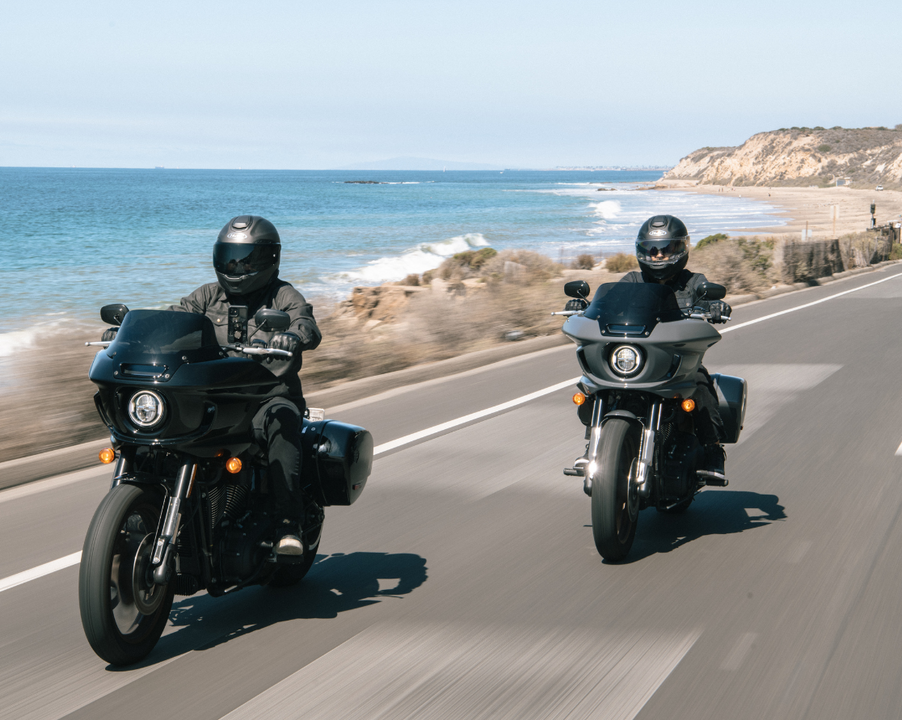
When it comes to riding a motorcycle, safety starts with the right gear, and no piece of equipment is more important than your helmet.
The Short Answer: The best motorcycle helmets combine safety, comfort, and the features you need for your riding style. They not only protect you in case of an accident but also enhance your overall experience on the road by providing a fit and design that caters to your unique needs.
Choosing the right helmet can feel overwhelming due to the variety of options available, but it doesn’t have to be. This buyer’s guide will simplify the process, helping you understand what to look for in a helmet. Whether you’re a long-distance cruiser, a city commuter, or a dirt trail enthusiast, this guide will walk you through the essential factors to consider, the different types of helmets, and the key features that matter most.
Key Factors to Consider in Choosing a Motorcycle Helmet
Selecting the best motorcycle helmet involves more than picking the one that looks the coolest. Safety, fit, materials, and practical features are critical considerations. Here's a closer look at the key factors you need to evaluate when choosing a helmet.
Safety Standards and Certifications
Safety is the primary function of a motorcycle helmet, and certifications exist to ensure that helmets meet specific protective standards.

- DOT Certification: Required for all helmets sold in the United States, this standard ensures the helmet meets the Department of Transportation’s minimum safety requirements. Look for a DOT sticker on the back of the helmet to verify compliance.
- ECE Certification: Common in Europe but also recognized worldwide, this standard includes additional tests for impact resistance and chin strap strength. Many riders see ECE-certified helmets as a benchmark for reliable safety.
- Snell Certification: This voluntary standard involves more rigorous testing than DOT or ECE, including rotational impact and penetration tests. While not required, helmets with Snell certification are often regarded as among the safest.
When evaluating helmets, ensure they carry at least the DOT certification. If you ride at high speeds or participate in motorsports, consider helmets with Snell or ECE ratings for added peace of mind.
Fit and Comfort
A helmet is only as effective as its fit. A poorly fitting helmet can be uncomfortable and fail to provide adequate protection in an accident. Follow these tips to find the right fit:
- Measure Your Head: Use a flexible measuring tape to measure the circumference of your head just above your eyebrows and around the widest part of the back of your skull. Compare your measurement to the helmet manufacturer’s sizing chart to find your size.
- Understand Head Shapes: Helmets are designed for three common head shapes—round, intermediate oval, and long oval. Choose a helmet that matches your head shape for a snug, secure fit without pressure points.
Remember, a helmet’s padding may compress slightly over time, so it should fit snugly when new. Avoid oversized helmets, as they compromise safety and can be noisy and distracting.
Helmet Materials
The materials used in a helmet affect its weight, durability, and level of protection. Common materials include:
- Polycarbonate: Lightweight and affordable, polycarbonate helmets absorb impact by flexing upon impact, making them a popular choice for budget-conscious riders.
- Fiberglass Composite: More durable than polycarbonate, fiberglass composite helmets are a mid-range option that balances strength and weight.
- Carbon Fiber: Known for its superior strength-to-weight ratio, carbon fiber is often used in high-performance helmets. While more expensive, these helmets are extremely lightweight and provide excellent impact resistance.
Choose a material based on your riding habits and budget. For example, long-distance riders often prioritize lightweight materials like carbon fiber to reduce neck fatigue.
Visibility and Ventilation
Your helmet should enhance your visibility and keep you comfortable in various riding conditions.
- Anti-Fog Visors: Look for helmets with visors that resist fogging to maintain visibility in cold or humid conditions. Some helmets offer pinlock inserts or built-in ventilation to reduce fog.
- Wide Field of View: A broader visor range improves peripheral vision, helping you spot potential hazards and stay aware of your surroundings.
- Ventilation Systems: A well-ventilated helmet improves airflow, keeping you cool on hot days and reducing moisture buildup. Look for adjustable vents to customize the airflow to your preferences.
Practical Features
Beyond safety and comfort, modern helmets come with features that add convenience and enhance your riding experience.
- Removable Liners: These make cleaning easier, especially after long, sweaty rides.
- Integrated Sun Visors: A built-in sun visor is a practical feature for riders who transition between sunny and shaded areas frequently.
- Bluetooth Compatibility: Many helmets now come with Bluetooth connectivity, allowing you to pair them with communication systems for hands-free calls, navigation, or music.
By understanding these key factors, you can narrow your options and identify helmets that meet your safety needs while enhancing your riding experience.
Comprehensive Motorcycle Helmet Buyer’s Guide
Now that you know the key factors to consider, it’s time to dive into the practical aspects of buying a motorcycle helmet. This section will help you understand the different types of helmets, key features to prioritize, and common pitfalls to avoid when making your purchase.

1. Start by Choosing the Type of Motorcycle Helmet
Each type of helmet is designed for specific riding needs. Understanding these differences will help you choose one that matches your style and requirements.
- Full Face Helmets: Offering the most comprehensive protection, full face helmets cover your head and chin, making them ideal for long rides and high-speed conditions. They reduce wind noise and provide maximum coverage, but they can feel heavier compared to other styles.
- Modular Helmets: Sometimes called flip-up helmets, modular designs combine the protection of full face helmets with the convenience of an open face. They’re popular among touring riders who value versatility but are slightly heavier due to the additional hinge mechanism.
- 1/2 (Open Face) Helmets: Covering only the top and sides of the head, open face helmets provide excellent visibility and ventilation. They’re great for cruising but offer less protection than full face designs.
- 3/4 Helmets: Covering the top of the head and sporting a visor for eye protection, these helmets provide solid protection but are popular for their lightweight design. They’re often favored by riders who prioritize freedom and airflow.
- Adventure (Dual-Sport) Helmets: Designed for on- and off-road use, these helmets combine the features of full face and motocross helmets. They usually have a peaked visor for sun protection and extra ventilation for dirt trails.
2. Decide Which Features Matter the Most
While many helmets come loaded with features, focus on those that truly enhance your riding experience:
- Weight: A lighter helmet reduces strain on your neck during long rides. Carbon fiber and fiberglass helmets are excellent options if weight is a priority.
- Padding and Liners: Look for removable, washable liners that wick away sweat and maintain comfort. Some helmets also feature anti-bacterial liners to reduce odor.
- Noise Reduction: If you’re sensitive to wind noise, consider helmets with advanced aerodynamic designs or built-in noise-canceling features.
- Shield Mechanisms: Quick-release visors make it easy to swap between clear and tinted shields. Some helmets even include a drop-down sun visor for changing light conditions.
3. Consider Your Riding Style
Your riding habits will heavily influence the type of helmet that suits you best:
- Touring Riders: Modular helmets are a popular choice for long-distance riders due to their flexibility. Look for models with advanced ventilation systems and integrated sun visors.
- City Commuters: Lightweight full face helmets or open face helmets provide the right balance of protection and convenience for urban riding. Opt for helmets with anti-fog visors for unpredictable weather.
- Off-Road Enthusiasts: Consider adventure helmets if you are a rider who alternates between pavement and trails. Focus on models with extended visors and enhanced ventilation.
- Casual Cruisers: Open face and half helmets offer a comfortable, low-profile option for leisurely rides, particularly in warm climates.
4. Common Mistakes to Avoid When Buying a Helmet
Making the wrong choice can lead to discomfort, frustration, or even compromised safety. Avoid these common pitfalls:
- Prioritizing Style Over Fit: A sleek design won’t matter if the helmet doesn’t fit properly. Never sacrifice fit for aesthetics.
- Buying Without Research: Always check reviews, safety ratings, and product details. Look for helmets with strong user feedback and certifications like DOT or ECE.
- Overlooking Key Features: Skipping on features like anti-fog visors or ventilation systems can make your helmet less functional in real-world conditions.
- Choosing the Wrong Size: Don’t assume your size from past purchases. Helmets can vary across brands, so always measure your head and consult the sizing chart.
5. Look for Discounts and Closeout Deals
Buying the best motorcycle helmet doesn’t have to break the bank. Look for deals and closeout sales to find high-quality helmets at reduced prices. Brands often discount older models when releasing new ones, allowing you to snag a great deal on a certified, reliable helmet. Shopping smart can help you stretch your budget without compromising safety or features.
Shop Helmets at Prices You Won’t Believe at Motorcycle Closeouts
At Motorcycle Closeouts, we make it easy for you to find the perfect helmet at prices that fit your budget. With our wide selection of motorcycle helmets from top brands, you can shop confidently knowing you’re getting quality gear without overspending. From full face helmets for ultimate safety to lightweight modular designs for versatility, we offer options to suit every rider’s style and needs.
Don’t settle for less when it comes to your safety and comfort. Explore our collection of helmets today and take advantage of incredible closeout deals—30%, 50%, or more off the original price. With fast shipping and unbeatable discounts, there’s no better time to gear up for your next ride.
 Article reviewed 12/19/2024:
 Brandon Card
Marketing Manager and Operations Director

Brandon serves as the Marketing Manager and Operations Director at Motorcycle Closeouts. He is pivotal in managing product listings, being the central source of knowledge for all company products and services. Brandon has over 13 years of specialized expertise in motorcycle and motocross gear.
Explore Popular Articles

The Best Motorcycle Helmet Audio System
Short Answer: The best motorcycle helmet audio system depends on how you ride. Bluetooth communicati...
How to Clean Motorcycle Helmet Pads
Keeping your helmet pads clean comes down to a few basics: warm water, mild soap, and a little time....

How to Winterize Your Motorcycle; Motorcycle Closeouts
Short Answer: Proper winter motorcycle storage starts with a few key steps: fill your gas tank and a...

What to Know When Riding in Cold Weather
Short Answer: Riding in cold weather takes extra preparation, the right gear, and awareness of how c...

Your Guide to Motorcycle & Motocross Eye Protection
Motorcycle riding offers a completely different experience than driving a car. Riders stay much more...

Motocross Helmet: Buyer's Guide
Safety Standards and Certifications That Matter MIPS Technology: Better Brain Protection Helmet Co...