
What to Know When Riding in Cold Weather
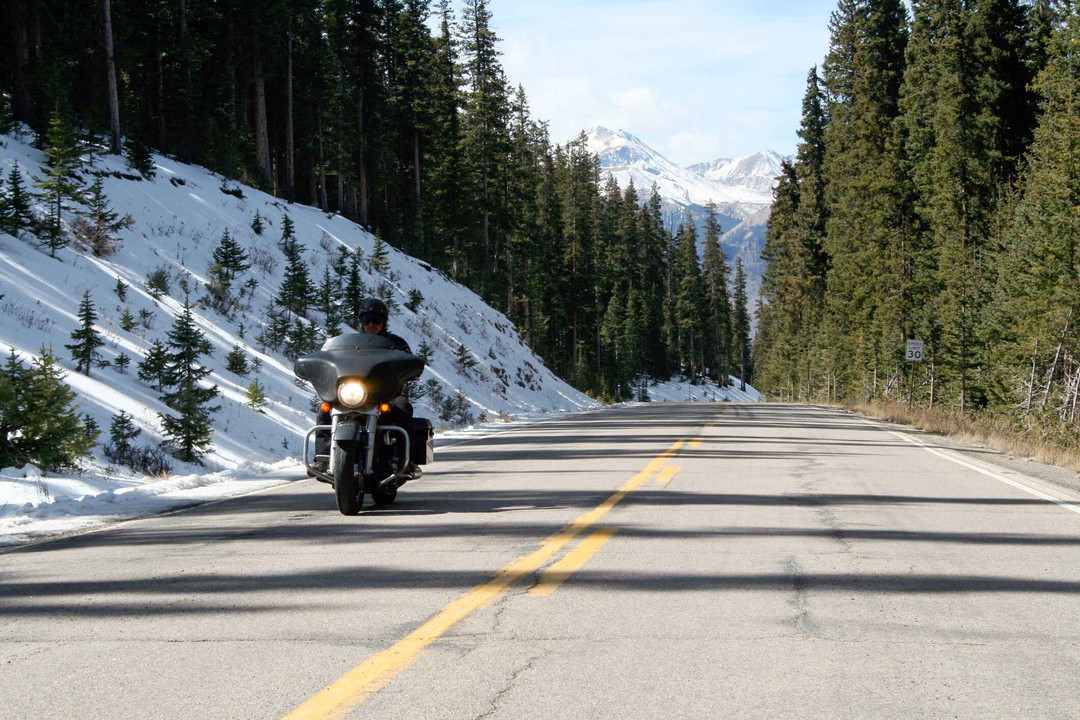
Short Answer: Riding in cold weather takes extra preparation, the right gear, and awareness of how colder temperatures and changing road conditions affect you and your motorcycle. Staying warm, maintaining traction, and adapting to slick or unpredictable surfaces are key to keeping every ride safe and enjoyable, even when the temperature drops.
When winter arrives, many riders store their bikes away until spring. But for those who keep riding through the winter months, cold weather introduces a new set of challenges. Reduced traction, limited daylight, and lower body temperature can quickly turn an exhilarating ride into a risky one if you're not prepared.
Understanding how cold affects both you and your bike is an important part of staying safe. Cold weather riding isn't only about staying warm; it's about keeping your focus sharp and your machine ready for the conditions ahead.
In this guide, we'll cover what to check before heading out, the best types of gear for warmth and protection, and smart riding habits that help you handle the chill confidently.
How Cold Affects You and Your Bike
How Cold Impacts You as a Rider
When temperatures drop, your body loses heat faster than it can produce it. Even with good gear, wind chill can make 40°F feel closer to 20°F at highway speeds. That kind of exposure leads to reduced dexterity, slower reaction times, and fatigue.
- Slower Reflexes: Cold muscles and stiff joints react more slowly. Quick maneuvers such as braking and even gear changes take more time and effort.
- Reduced Grip Strength: As hands lose warmth, fine motor control drops. This affects throttle control, clutch use, and brake response.
- Fogging and Visibility Issues: Warm breath inside a cold helmet creates condensation on your visor or glasses, limiting visibility.
- Fatigue and Distraction: When you're cold, your mind focuses on discomfort rather than the road. Long rides become harder to manage safely.
How Cold Impacts Your Motorcycle
Problem:
- Tire Pressure and Traction: Air contracts in cold weather, lowering tire pressure. This reduces traction and increases wear if not corrected.
- Battery Performance: Cold temperatures weaken batteries. A battery that is strong in summer may struggle to start your engine in the cold.
- Fluids and Lubrication: Oil thickens in cold weather, making it harder for your engine to circulate lubrication during startup.
- Brakes and Suspension: Hydraulic systems respond more slowly in low temperatures. Expect a firmer brake lever feel and slower suspension movement until your components warm up.
- Fuel Efficiency: Engines burn richer mixtures in the cold, meaning you may notice slightly lower fuel mileage during winter rides.
Solution:
- Tire Pressure: Check tire pressure before every ride, and allow more time for tires to warm up before leaning into turns.
- Battery Maintenance: Keep terminals clean and consider using a trickle charger if your bike sits outside.
- Oil and Lubrication: Use the correct oil grade for winter conditions to help reduce strain and improve engine performance.
- Brakes and Suspension: Ride cautiously at first to allow hydraulic components to warm up before using them fully.
- Fuel Efficiency: Expect slightly lower mileage but keep your bike well-maintained and take shorter trips if necessary to manage fuel usage.
Road and Weather Conditions
The road itself becomes less predictable in winter weather. Moisture can freeze overnight, shaded areas stay slick longer, and patches of salt or sand reduce traction. Painted lane markers and metal surfaces like manhole covers are especially slippery in the cold.
Whenever possible, ride during daylight hours when surfaces have warmed up slightly. Avoid sudden throttle inputs or sharp braking, and give yourself extra following distance to adjust for limited traction.
Cold Weather Riding Gear Guide
Riding in cold temperatures requires the right motorcycle gear to stay comfortable, safe, and in control. Having the proper equipment makes all the difference, so here's a breakdown of the must-have winter riding gear.

Layering for Cold Weather
The key to staying warm on the bike is layering. By layering properly, you can manage body heat and adapt to changing weather conditions during your ride. Here's what to focus on:
- Base Layer: Start with a moisture-wicking base layer to keep sweat off your skin. Merino wool or synthetic fabrics are great options. They trap heat while allowing your skin to breathe, preventing you from getting too hot or too cold.
- Thermal Layer: A fleece or thermal layer adds insulation. This is your core warmth, so it should be snug but not restrictive.
- Outer Layer: A durable, windproof jacket or suit protects you from the elements. Look for an outer shell made of materials like Gore-Tex, which are water-resistant but still breathable.
Heated Gear
When temperatures really drop, consider adding heated gear. Heated vests, gloves, and insoles are designed to keep you warm without adding bulk. Many of these items use a rechargeable battery and can be worn under your regular jacket or winter gloves for easy warmth adjustments. Heated grips are another excellent addition to your bike for keeping your hands warm during a winter ride.
Cold Weather Gloves and Boots
Your hands and feet are the first to get cold, making high-quality winter gloves and boots essential for winter riding.
- Gloves: Cold weather motorcycle gloves should be insulated but still offer dexterity for throttle control and braking. Look for waterproof gloves made of materials like leather with a Gore-Tex lining for extra protection against wind and wet weather. Leather gloves with a touch screen compatible finger are also helpful for using your phone without exposing your hands to freezing temperatures.
- Boots: Insulated and waterproof gear for your feet is necessary for keeping them dry and warm. Make sure boots have a sturdy sole for traction and ankle protection, especially if you'll be walking through snow or slush.
Helmet and Visor
Your helmet keeps your head protected, but in cold weather, it's also essential for warmth. Look for helmets with a snug fit and a chin curtain to block out wind.
- Visors: Fogging can be a real issue in cold conditions. Opt for a helmet with an anti-fog visor or use a fog-resistant insert. Pinlock visors are a popular choice for winter riders as they provide excellent visibility. A breath deflector can also help prevent fogging by directing warm breath away from your visor.
- Balaclavas and Neck Warmers: For additional warmth, consider wearing a balaclava or neck gaiter under your helmet to prevent cold air from reaching your face and neck.
Pants and Jackets for Winter Riding
Your regular riding pants and jackets may not be enough when it's cold outside. Here's what to look for in winter-specific motorcycle gear:
- Winter Riding Pants: Insulated pants, preferably with waterproof lining, are a must to keep your legs warm and dry. Look for pants with adjustable vents for airflow on warmer days.
- Motorcycle Jackets: Look for jackets with additional insulation or quilted liners. Jackets that have built-in waterproof layers will keep you dry during wet weather and provide additional warmth. An extra layer underneath never hurts on particularly cold days.
Additional Gear for Winter Riding
- Windshield and Handguards: Adding a windshield or handguards to your motorcycle can help block wind, providing more comfort during long rides. They can significantly reduce the chill factor, especially at highway speeds.
- Motorcycle Cover: When you're not riding, use a motorcycle cover to keep your bike dry and protect it from the elements, especially overnight.
- Luggage and Storage: If you're planning long rides, consider using waterproof saddlebags or panniers to store your gear, food, and extra clothing to stay warm on the go.
10 Winter Riding Tips & Safety Practices

Riding in cold weather brings unique challenges that require extra focus, extra caution, and preparation. Here are some essential tips and safety practices to keep in mind when you're braving the chill.
1. Take Your Time
Winter roads can be unpredictable, with patches of ice, snow, or wet surfaces that you may not see right away. Slow down and allow more time for stops and turns. This will give you a better chance to react to sudden changes in road conditions and ensure your bike handles safely.
2. Avoid Sudden Throttle Inputs or Braking
In cold weather, traction can be limited. Sudden throttle inputs or harsh braking can cause your tires to lose grip. Instead, apply throttle and brake smoothly and gradually. Keep a steady pace and focus on keeping control over your motorcycle at all times.
3. Keep Your Hands and Feet Warm
The cold can affect your grip strength and reaction times. Heated gloves and insoles are perfect for cold weather, but if you're using non-heated gear, make sure to wear thick, insulating gloves and boots.
4. Plan Your Route and Ride During Daylight
Riding in the dark in cold weather can be more challenging due to reduced visibility and unpredictable road conditions. Try to plan your rides during daylight hours when surfaces are warmer and easier to navigate. Plus, daylight gives you a better chance to spot ice patches, potholes, or other hazards that are harder to see at night.
5. Keep Your Motorcycle Well-Maintained
In winter, your bike will need extra attention to handle the cold. Regularly check the battery, tire pressure, fluids, and oil. Cold temperatures can affect these systems, so keeping them in top shape ensures better performance. Consider using winter-grade oil to help your engine run smoothly in lower temperatures.
6. Layer Up for Comfort and Safety
Layering is key to staying warm, but it's also essential for maintaining your mobility and focus. Make sure you wear breathable, moisture-wicking base layers and well-insulated outer layers. Don't forget about a neck gaiter or balaclava to keep wind out of your helmet and neck area.
7. Increase Your Following Distance
In cold weather, your stopping distance increases because of the reduced traction on the road. To account for this, increase your following distance between you and the vehicle in front of you. A longer following distance gives you more time to react to sudden stops, traffic lights, or road obstacles.
8. Watch for Ice and Slippery Surfaces
Ice is particularly dangerous for riding motorcycles and can form even when the weather seems mild. Be on the lookout for areas of the road that might freeze, such as bridges, shaded corners, and areas where water collects. Always ride cautiously through these spots and avoid leaning too much in sharp turns.
9. Stay Hydrated and Take Breaks
Even in cold weather, it's important to stay hydrated. Cold air can dry you out, and dehydration can impair your ability to focus. Take regular breaks to warm up, hydrate, and rest, especially on long rides.
10. Know Your Limits
While cold weather riding can be a thrilling experience, it's important to know when conditions are too extreme for a safe motorcycle ride. If the roads are covered in snow or ice, or temperatures drop too low, consider postponing your ride. It's always better to be safe than to risk a motorcycle accident or injury in unsafe conditions.
Gear Up for Cold Weather Riding with Motorcycle Closeouts
Cold weather riding presents unique challenges, but with the right gear, preparation, and safety practices, it's possible to stay comfortable and ride with confidence throughout the riding season. By layering properly, maintaining your bike, and adjusting your riding habits, you'll ensure a safer, more enjoyable experience even when winter goes a long way toward testing your limits.
At Motorcycle Closeouts, we've got you covered with top-quality gear to help you stay warm and protected on the road, no matter the weather. Whether you're looking for heated gloves, insulated jackets, or cold weather helmets, our selection is designed with riders in mind and at unbeatable prices up to 70% off retail.
Gear up for the cold and ride safely this winter. Explore our collection of winter motorcycle gear today and get ready to hit the road with confidence.
Explore Popular Articles
How Dangerous Are Motorcycles, and How Much Does Gear Reduce the Risk?
Short Answer: Riding a motorcycle is significantly more dangerous than driving a car. The good news...

How Much Does It Cost to Buy & Ride a Motorcycle?
Short answer: A newer rider can often get started for about $6,000 to $12,000 when they include the...
CE Level 1 vs Level 2 Armor Explained
Short Answer: Both CE Level 1 and Level 2 armor pass European safety tests for impact protection. T...
What to Bring on a Motorcycle Road Trip
Short Answer: For a motorcycle road trip, pack your protective gear (helmet, jacket, gloves, boots,...
How to Get Your Motorcycle License: A Step-by-Step Guide for New Riders
Short Answer: Getting your motorcycle license takes three steps: passing a written knowledge test, p...

Everything You Need Before Your First Ride
Short Answer: Getting ready for your first motorcycle ride means lining up a few things before you t...