
Buyer's Guide: Choosing Between Motorcycle Helmet Styles
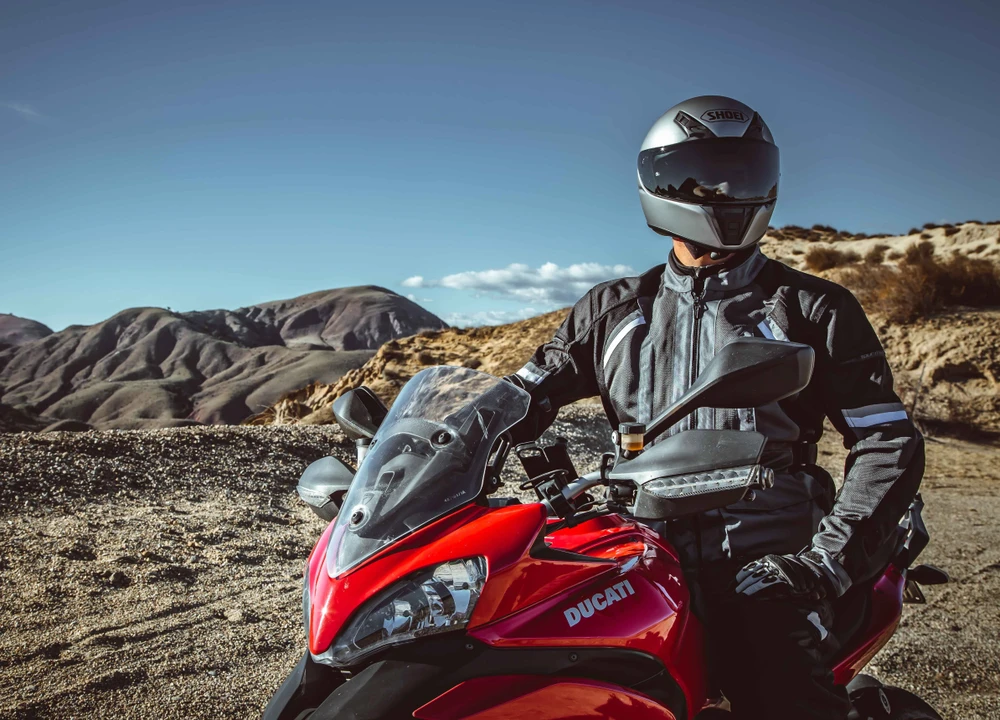
Motorcycle helmets have come a long way since the early days of riding. What began as simple leather caps has evolved into specialized protective gear made with advanced materials and technologies. Today's riders face many choices when selecting head protection that balances safety with comfort and style.
The Short Answer
The main types of motorcycle helmets are:
-
Full Face Helmets
-
Open Face (3/4) Helmets
-
Modular Helmets
-
Half Helmets
-
Off-Road Helmets
-
Dual Sport Helmets
Your riding style, weather conditions, and personal preferences will determine which helmet type works best for you. Here's a quick comparison of the main helmet styles:
|
Helmet Type |
Protection Level |
Ventilation |
Weight |
Best For |
|
Full Face |
Highest |
Limited |
Moderate-Heavy |
Sport riding, highways |
|
Open Face (3/4) |
Moderate |
Good |
Moderate |
Cruisers, scooters, city riding |
|
Modular |
High |
Moderate |
Heavier |
Touring, versatile needs |
|
Half |
Minimal |
Maximum |
Lightest |
Low-speed, custom/chopper riding |
|
Off-Road |
High (except face) |
Excellent |
Light |
Dirt biking, off-road trails |
|
Dual Sport |
High |
Very good |
Moderate |
Mixed terrain riding |
Types of Motorcycle Helmets
Each helmet style serves specific riding needs and conditions. Let's explore the details of each type to help you decide which is right for you.

Full-Face Helmets
Full-face helmets are made of a single solid piece and cover the entire head and face. They feature a chin bar and face shield, which create complete protection for the head. The face shield (visor) protects the eyes while offering clear visibility of the road ahead.
Key Features:
-
Complete head and face coverage
-
Integrated face shield
-
Chin bar for impact protection
-
Often made with carbon fiber and other lightweight materials
-
Superior aerodynamics for high-speed riding
Best For: Sport riding, highway travel, racing, and riders who prioritize maximum protection regardless of riding style.
Advantages: A full-face helmet offers the highest level of protection in case of a crash. They shield riders from wind, debris, bugs, and weather while reducing wind noise significantly. Many modern full-face helmets include advanced ventilation systems to improve airflow.
Limitations: Some riders find them more restrictive or claustrophobic. They can be warmer in hot weather and may limit peripheral vision slightly compared to open designs.
Open-Face Helmets (3/4)
Open-faced helmets cover the top, back, and sides of your head but leave your face exposed. Many include a visor to protect your eyes, though some riders add separate goggles or sunglasses.
Key Features:
-
Covers the top and sides of the head
-
No chin protection
-
Often includes a flip-up visor
-
Classic, vintage appearance
-
Lighter than full-face helmets
Best For: Cruisers, scooters, classic motorcycles, city riding, and riders who want more airflow and less restriction.
Advantages: These helmets provide good visibility, more airflow, easier communication, and a sense of freedom while still protecting crucial areas of your head. They're easier to put on and take off, and many riders find them more comfortable in warm weather.
Limitations: The obvious drawback is less protection. Open-face helmets expose your face to weather, debris, and impact in case of an accident. They also create more wind noise at high speeds.
Modular Helmets
Modular helmets (also called flip-up helmets) combine elements of both full-face and open-face designs. They feature a chin bar and face shield that can be flipped up as a single unit, converting the helmet from full face to open face configuration.
Key Features:
-
The hinged front section that flips up
-
Convertible between full and open-face styles
-
Often includes a sun visor in addition to the main shield
-
Extra mechanisms for the flip-up feature
-
Slightly heavier than comparable full-face helmets
Best For: Touring riders, commuters, adventure riders, those who want versatility, and riders who wear glasses.
Advantages: The flip-up feature offers convenience at stops without removing the helmet. You can easily talk, drink, or adjust glasses by lifting the front section. These helmets provide great eye protection when closed while offering flexibility that pure full-face helmets lack.
Limitations: The hinge mechanism creates a potential weak point, making modular helmets slightly less protective than true full-face designs in certain impacts. They're also typically heavier and may have more wind noise due to the extra seams.
Half Helmets
Half helmets provide minimal coverage, protecting only the top portion of your head. They're the lightest and most minimalist option available.
Key Features:
-
Covers only the top of the head
-
Extremely lightweight
-
Minimal or no visor
-
Simple design
-
Maximum airflow
Best For: Cruisers, choppers, scooters, low-speed riding, and riders who prioritize freedom and minimal gear.
Advantages: Half helmets offer unmatched airflow, the lightest weight, no restrictions on vision or breathing, and the greatest sense of freedom while riding. They're cool in hot weather and allow for easy communication.
Limitations: They provide minimal protection, covering only the top of your head and leaving your face, ears, and neck completely exposed. They offer no protection from weather, debris, or bugs and create significant wind noise at speed.
Off-Road Helmets
Off-road helmets are designed specifically for dirt biking and trail riding. They feature an extended chin bar and a large visor with plenty of ventilation.
Key Features:
-
Extended chin piece and face coverage
-
Large eye port for goggles
-
Prominent visor/peak above eye area
-
Aggressive ventilation system
-
Lightweight construction
Best For: Dirt bikes, motocross, trail riding, enduro, and any off-pavement adventures.
Advantages: These helmets excel in dusty, muddy conditions with superior ventilation to keep you cool during physical riding. The extended visor blocks sun, roost, and branches while the large eye port accommodates goggles. They're lightweight for reduced neck fatigue during long off-road sessions.
Limitations: Off-road helmets typically lack a face shield, requiring separate goggles. The aerodynamics aren't optimized for highway speeds, creating lift and drag. Many don't include noise reduction features since off-road riding happens at lower speeds.
Dual Sport Helmets (Adventure)
Dual sport helmets blend features from both street and off-road designs, creating a versatile option for riders who enjoy both environments.
Key Features:
-
Hybrid design combining street and off-road elements
-
Includes face shield and adjustable visor
-
More aerodynamic than pure off-road helmets
-
Better ventilation than pure street helmets
-
Accommodates goggles when the shield is removed
Best For: Adventure bikes, dual sport motorcycles, and riders who switch between pavement and dirt on the same trip.
Advantages: The versatile design works well across various riding environments. The adjustable visor helps with sun blocking while maintaining decent aerodynamics at higher speeds. These helmets offer good ventilation for off-road sections while still providing wind protection on highways.
Limitations: As with many hybrid designs, dual sport helmets make some compromises. They're not as specialized for either environment as purpose-built alternatives. They're typically heavier than pure off-road helmets and may have more wind noise than dedicated street helmets.
Making a Decision: What Works Best for Your Needs
Beyond helmet style, several other factors should guide your purchase decision. Consider these key elements when selecting the best motorcycle helmet for your needs.

Safety Standards
Never buy a helmet without proper safety certification. Look for DOT (Department of Transportation) approval at minimum, which is legally required for all helmets used on public roads in the United States. For extra protection, consider helmets with additional Snell or ECE ratings. These certifications mean the helmet has passed rigorous impact, penetration, and retention tests. A properly certified helmet can mean the difference between minor and severe injuries in a motorcycle crash.
Proper Fit
A helmet that fits correctly is crucial for both safety and comfort. Measure the circumference of your head about one inch above your eyebrows to find your size. When trying on helmets, it should feel snug but not constricting, with no pressure points. The cheek pads should touch your cheeks without pushing them uncomfortably. A properly fitted helmet won't move when you shake your head but also won't cause discomfort after 15-20 minutes of wear.
Riding Conditions
Consider where and how you typically ride. For long highway trips, wind noise reduction and aerodynamics become more important. Off-road riding demands better ventilation and lighter weight. City commuters might prioritize visibility and ease of use at frequent stops. During warmer months, ventilation systems become essential to prevent overheating. For colder months, look for helmets with better insulation and fog-resistant face shields. A versatile helmet with adjustable vents works well for riders who experience varying weather throughout the year.
Advanced Features
Modern helmets offer technology integration that was unimaginable just years ago. Many helmets now come pre-wired for Bluetooth and communication systems, allowing riders to take calls, listen to navigation directions, or enjoy music. Some advanced "smart helmets" include built-in cameras, heads-up displays, and even emergency response systems. When choosing a helmet with tech features, consider battery life, control accessibility with gloves, and whether the added weight affects comfort during long rides.
How Motorcycle Closeouts Can Help
At Motorcycle Closeouts, we understand that quality gear shouldn't break the bank. Offering closeout items at 30%, 50%, or more off the original price, we ensure that riders can access top brands and high-quality products without compromising their budget. Our inventory includes safety-certified helmets in all styles discussed above, from full-face designs for sport riding to versatile modular helmets for touring. Our expert staff can help you find the perfect fit for your head shape and riding style.
With Motorcycle Closeouts, you'll ride safer and smarter, knowing you've found the perfect helmet that matches your riding style, comfort needs, and safety requirements. Browse our complete selection today!
Explore Popular Articles

How Dangerous Are Motorcycles, and How Much Does Gear Reduce the Risk?
Short Answer: Riding a motorcycle is significantly more dangerous than driving a car. The good news...

How Much Does It Cost to Buy & Ride a Motorcycle?
Short answer: A newer rider can often get started for about $6,000 to $12,000 when they include the...

CE Level 1 vs Level 2 Armor Explained
Short Answer: Both CE Level 1 and Level 2 armor pass European safety tests for impact protection. T...

What to Bring on a Motorcycle Road Trip
Short Answer: For a motorcycle road trip, pack your protective gear (helmet, jacket, gloves, boots,...

How to Get Your Motorcycle License: A Step-by-Step Guide for New Riders
Short Answer: Getting your motorcycle license takes three steps: passing a written knowledge test, p...

Everything You Need Before Your First Ride
Short Answer: Getting ready for your first motorcycle ride means lining up a few things before you t...