
Motorcycle Safety Guide: Rules, Gear, & Resources
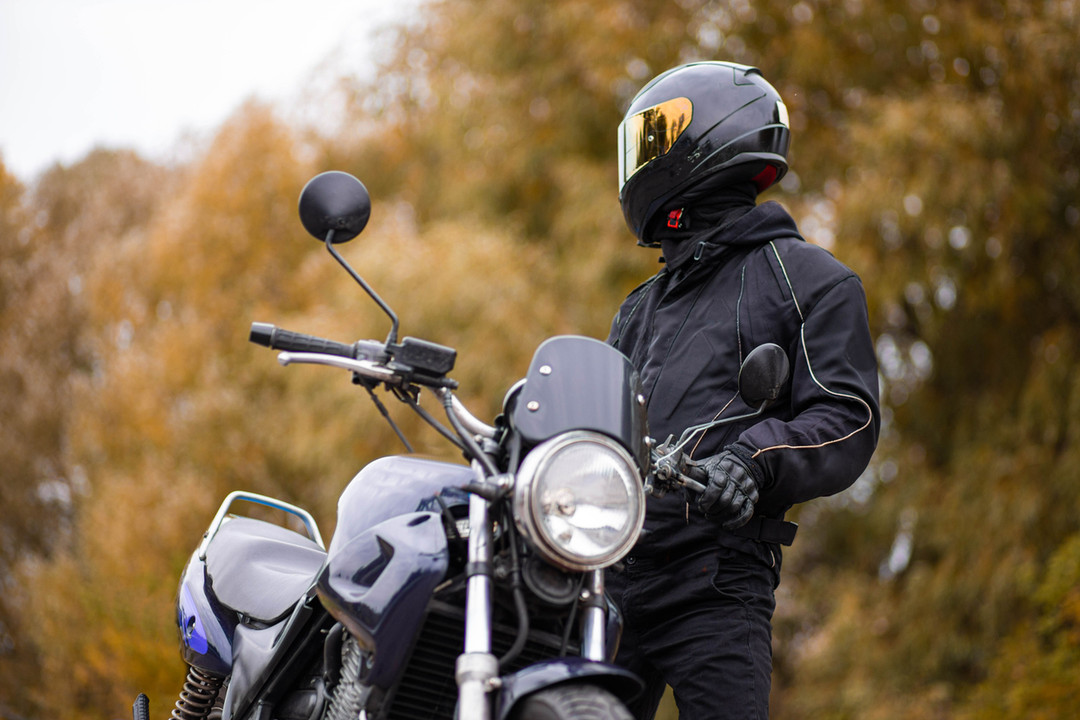
Riding a motorcycle is a thrill; that rush of adrenaline as you maneuver effortlessly across the open road. But it comes with an important question: Are motorcycles dangerous? In the United States, the statistics can be startling. A motorcyclist, compared to a passenger vehicle occupant, is significantly more likely to suffer severe injuries or even become a part of fatal crashes.
But wait, don't hang up your helmet just yet. The answer to the question is a bit more complicated. Yes, motorcycles by their very nature carry inherent risks due to their lack of structural protection compared to passenger cars. But the real danger often doesn't lie with the motorcycle itself but with riders putting themselves in dangerous situations. Factors like not adhering to traffic laws, high speeds, a negligent driver, or unexpected weather conditions can all lead to a motorcycle crash.
The Short Answer: Are motorcycles dangerous? They can be. However, riding a motorcycle or an electric bike doesn't have to translate into an unavoidable date with danger. With the right knowledge, proper safety measures, and appropriate gear, many of the risks associated with motorcycle riding can be substantially reduced. This means that as a motorcycle rider, you can ensure your thrilling ride doesn't end in a dangerous situation. Hang tight as we gear up to dive deeper into this topic in the following sections.
General Rules for Motorcycle Safety
Let's take a deeper dive into understanding the general rules for motorcycle safety. It boils down to four integral aspects: adequate training, compliance with traffic laws, improved road user awareness, and being proactive about weather conditions.

1. Secure Proper Training
Before hitting the open road, it’s paramount to get adequately trained. Whether you’re a new motorcyclist or a seasoned rider, everyone can benefit from the motorcycle courses offered by various organizations like the National Highway Traffic Safety Administration (NHTSA). These training programs don't just cover the basics, but extend to advanced concepts and accident-avoidance maneuvers. Precise parking techniques can also protect your bike from potential damage.
2. Observe Traffic Laws
Safety is a non-negotiable aspect of motorcycle riding. Adhering to traffic laws and regulations in your local area can save lives, including your own. Always ride within the speed limit and understand that these laws are designed for your safety and the safety of others. Respect for traffic laws is respect for life.
3. Improve Road Awareness
Given that motorcycles make up a smaller percentage of road users, being extra aware is vital for your safety. Always ensure you are visible, especially ride cautiously in blind spots of larger vehicles, use signal lights consistently, and don't hesitate to use your horn when necessary.
4. Be Proactive About Weather Conditions
Weather can turn a pleasant cruise into a dangerous risk. Before setting off on your two-wheeler, always check the weather forecast. If you're caught up in unanticipated harsh weather, it's wise to seek shelter until conditions improve.
Remember, having fun while riding motorcycles should not come at the cost of safety. Being cautious and respectful on the roads will only enhance your riding experience without compromising safety.
Motorcycle Safety Gear
The gear you wear while riding is perhaps the most crucial part of motorcycle safety. Wearing the right gear can make all the difference between walking away or getting seriously hurt after an accident. Let's get into the significance of each protective gear piece.

Helmets
The helmet is the most important piece of gear for safety. A good helmet protects against fatal head injuries in an accident and shields you against wind, bugs, and road debris. Helmets meeting the U.S. Department of Transportation (DOT) Federal Motor Vehicle Safety Standard (FMVSS) 218 ensures the highest level of safety.
Jackets & Pants
Motorcycle jackets and pants offer a lot more than just style. They provide barriers against road rash and additional protection against impacts, thanks to built-in padding in critical areas. Selecting pieces made from strong, abrasion-resistant materials like leather or specialized synthetics significantly enhances their protective qualities.
Boots
Good motorcycle boots are high enough to cover your ankles and have non-slip soles for a reliable grip. They provide essential protection to the often overlooked foot and ankle areas. Look for boots made from tough, durable materials to resist wear and tear from gear shifts and hot exhaust pipes.
Gloves
Motorcycle gloves are essential for hand protection. Designed to withstand impacts and abrasion, they also provide better grip and control of the handlebars, especially in adverse weather. Gloves with additional features like knuckle guards and wrist armor offer the highest level of protection.
Armor & Pads
Motorcycle armor protects significant areas such as the knees, hips, elbows, back, and chest. Some gear includes built-in armor, while others have pockets to add them as needed. Make sure they comply with the European safety (CE) standards. Armor and Pads don’t just absorb the impact of a fall, but also add an extra layer to combat weather extremes.
Motorcycle Safety Resources
Motorcyclists have a range of resources available to help improve their riding skills and safety knowledge. Let’s take a closer look at some of the top motorcycle safety resources.
AAA (American Automobile Association)
AAA has been at the forefront of road safety for over a century. On their website, you can find a multitude of motorcycle safety tips and guidelines. These encompass diverse topics, from basic riding skills to handling different types of weather conditions.
NHTSA (National Highway Traffic Safety Administration)
NHTSA is a repository of vital information related to motorcycle safety. They offer various safety programs, in-depth tips for riders, and even guides aimed at helping you choose the right helmet.
State and Local Resources
Look towards your local community for motorcycle safety resources. State and city-level organizations often run safety programs and training courses for riders. These locally focused resources can offer insights into region-specific laws and potential road hazards.
Personal Injury Lawyers
While hopefully not needed, personal injury lawyers can offer legal assistance in the case of an accident. They could guide you through the process of making a motorcycle accident claim and potentially offer a free consultation to help you understand what to expect.
The road to safer motorcycling lies in continuous learning and adaptation. Whether you're new to motorcycles or a seasoned pro, utilizing these resources to stay updated about motorcycle safety can be a game-changer.
How Motorcycle Closeouts Can Help
Armed with the right knowledge and safety practices, the final piece of the puzzle is acquiring the appropriate motorcycle gear. That's where Motorcycle Closeouts steps in.
At Motorcycle Closeouts, we believe that safety should never be compromised due to high costs. We're committed to offering top-quality products from leading brands at prices that won't break your budget. You can find closeout items at significant discounts - think 30%, 50%, or more off the original price.
Why gamble with safety when you can suit up with reliable gear without burning a hole in your pocket? With Motorcycle Closeouts, you can hit the road with confidence knowing you're protected by quality gear that didn't cost a fortune.
Begin your journey towards safer motorcycle riding. Visit Motorcycle Closeouts today and explore our vast collection of discounted men's and women's safety gear. Because when it comes to safety, there are no shortcuts.
 Article reviewed 09/27/2024:
 Brandon Card
Marketing Manager and Operations Director

Brandon serves as the Marketing Manager and Operations Director at Motorcycle Closeouts. He is pivotal in managing product listings, being the central source of knowledge for all company products and services. Brandon has over 13 years of specialized expertise in motorcycle and motocross gear.
Explore Popular Articles

How Dangerous Are Motorcycles, and How Much Does Gear Reduce the Risk?
Short Answer: Riding a motorcycle is significantly more dangerous than driving a car. The good news...

How Much Does It Cost to Buy & Ride a Motorcycle?
Short answer: A newer rider can often get started for about $6,000 to $12,000 when they include the...
CE Level 1 vs Level 2 Armor Explained
Short Answer: Both CE Level 1 and Level 2 armor pass European safety tests for impact protection. T...

What to Bring on a Motorcycle Road Trip
Short Answer: For a motorcycle road trip, pack your protective gear (helmet, jacket, gloves, boots,...
How to Get Your Motorcycle License: A Step-by-Step Guide for New Riders
Short Answer: Getting your motorcycle license takes three steps: passing a written knowledge test, p...

Everything You Need Before Your First Ride
Short Answer: Getting ready for your first motorcycle ride means lining up a few things before you t...